Online school vs homeschool: what's the difference?
People use the two words interchangeably, but they describe different things. Here is the distinction, and where Saving Grace sits.
If you have started researching, you have probably seen "homeschooling" and "online school" used as if they mean the same thing. They overlap, but they are not identical, and the difference matters when you are choosing.
Traditional homeschooling
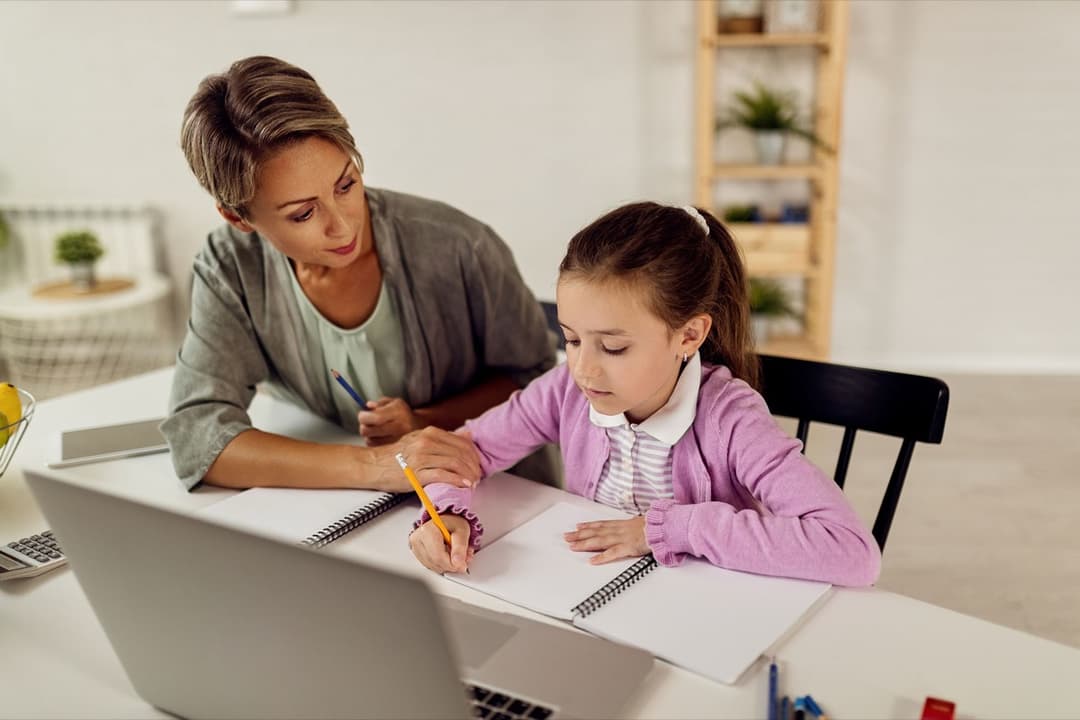
In its classic form, a parent chooses the curriculum, teaches the lessons, and manages assessment, often with bought or free materials. It offers total control and flexibility, but it leans heavily on the parent's time, confidence and subject knowledge.
Online schooling
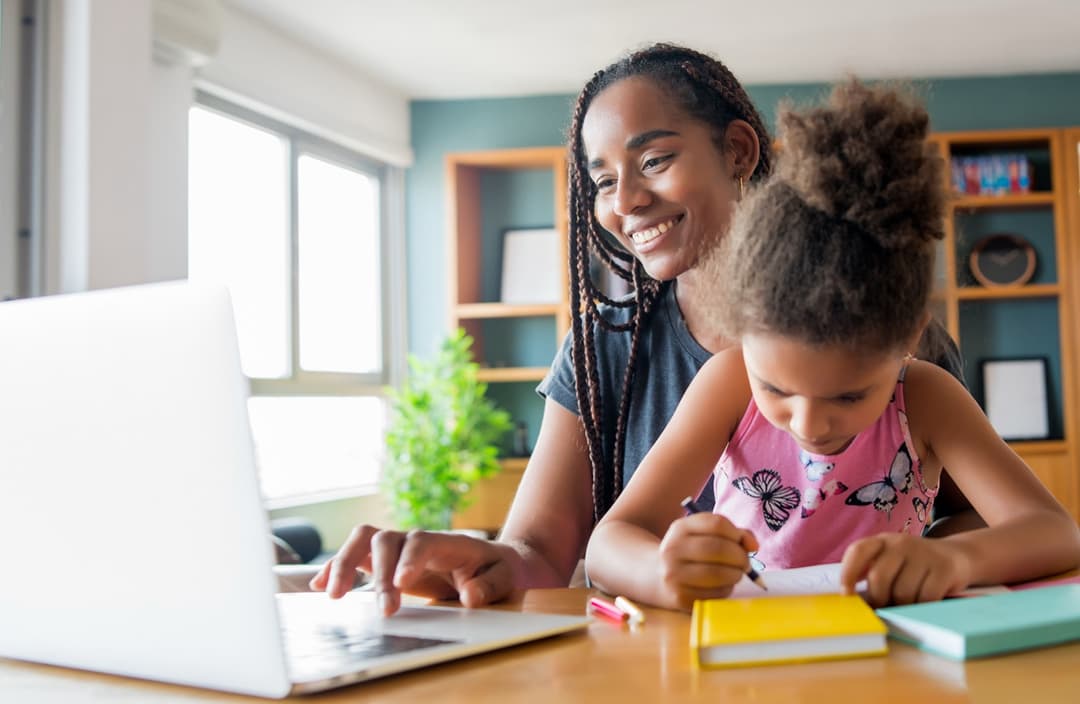
An online school provides the whole package: a full curriculum, video lessons, worksheets, qualified teachers who mark the work, and accredited assessments, all delivered through a platform. The parent supervises and supports rather than teaches. Your child still learns from home, but the teaching load is not on you.
| Traditional homeschool | Online school (Saving Grace) | |
|---|---|---|
| Who teaches | The parent | Qualified teachers, online |
| Curriculum | Parent sources it | Provided, CAPS or Cambridge |
| Assessment | Parent arranges | Accredited, run for you |
| Parent load | High | Supervise and support |
| Flexibility | Total | High, self-paced |
Which is right for you?
If you want to design and teach everything yourself, traditional homeschooling gives you that freedom. If you want your child educated from home without carrying the teaching yourself, an online school like Saving Grace is the fit: real teachers, a real curriculum and a real qualification, on your family's schedule.
Common questions, answered.
Do I still need to teach my child?
Is an online school recognised?
Can I still be flexible?